You must have regular cleaning scheduled according to potential hazards, food processing capacity, allergen concerns, and health inspections, plus documented records demonstrating food safety protocols, inspection results, and public health standards. The information below detail critical cleaning system elements.
Important Highlights
- Brampton food safety cleaning experts assist restaurants, grocery departments, commissaries, warehouses, bakeries, schools, mobile vendors, and allergen-sensitive operations.
- Zone-based workflows sanitize frequently contacted areas, food-contact equipment, kitchens, floors, drains, restrooms, and storage areas for eliminating cross-contamination.
- Checking of approved sanitizer dilution, suitability, and contact time is performed by trained vendors, with finalization recorded using tests, audits, and correction logs.
- Hazard, production volume, switches, releases, and standards should guide cleaning plans, with daily, weekly, and periodic duties designated by area.
- Opt for contractors with HACCP, public-health, expertise, safety training, education, insurance, references, colour-coded implements, and inspection-ready hygiene records.
Brampton Venues That Need Food Safety Cleaning: Which Ones?
Any Brampton facility that handles, stores, prepares, packages, or serves food needs food safety cleaning. You must apply it if your business falls under public health inspection, food premises regulations, or internal HACCP-based controls. That requirement covers eateries, dining facilities, food distribution centers, supermarket departments, meat markets, fish counters, corner stores, and commercial kitchens.
Compliant food safety cleaning is also necessary in storage warehouses, production plants, freezer facilities, bakeries, school nutrition services, reception halls, and meal delivery centers. Mobile and temporary establishments count as well, such as catering vehicles, festival sellers, and pop-up stands. Your facility needs written cleaning standards if your team handle raw materials, divide prepared foods, warm meals, or maintain allergen storage. In Brampton, food safety is not discretionary; it comprises regulatory, business, and safety requirements.
What Services Do Brampton Cleaning Experts Provide?
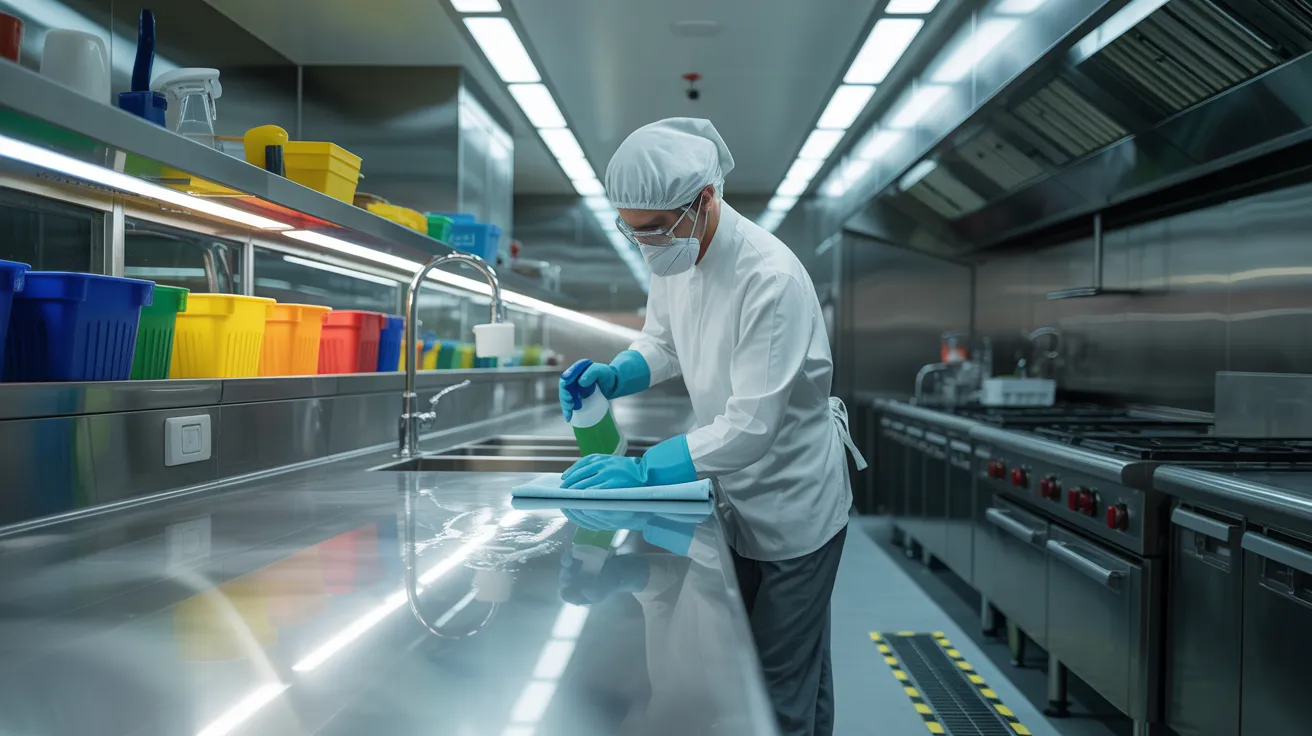
Professional cleaning services specializing in Brampton sanitize touched surfaces, kitchen facilities, floors, and restrooms to satisfy food safety standards and health requirements. Emphasis on these spaces occurs because they pose maximum contamination danger, injury hazards, and possible regulatory violations.
Understanding their cleaning procedures enables you to validate your facility's cleaning meets required standards and regulations.
High-Touch Surface Disinfection
develop a sterilization schedule
using directional patterns, and organizing disinfection tools organized by location
Kitchen Areas, Floor Surfaces, and Bathroom Spaces
Brampton cleaning professionals will address kitchens, floors, and restrooms since each space presents different hygiene concerns, slip-and-fall, and public health challenges. In industrial kitchens, you need grease removal from cooking stations, appliance surfaces, drain systems, preparation areas, and backsplashes to reduce contamination and pest pressure.
Floor care that is recorded should also be anticipated. Technicians scrub and extract buildup from tile grout, ceramic surfaces, and vinyl floors, then apply correct drying techniques so you can reduce slip incidents and meet regulatory standards. They also handle entryways where moisture and debris migrate indoors.
Restroom cleaning involves sanitizing touchpoints, fixtures, partitions, dispensers, and waste containers, restocking supplies and controlling odours. They also maintain restaurant cleaning supply rooms where product storage, sink cleanliness, and drain systems impact daily sanitation standards and worker protection.
The Importance of Food Safety Cleaning in Brampton
Brampton facilities require food-safe cleaning standards to fulfill compliance obligations and pass inspections. You also minimize cross-contamination by cleaning and sanitizing food-contact surfaces, equipment, and high-touch areas correctly. Most importantly, you help protect public health by lowering the risk of foodborne illness in your facility.
Food Safety Regulations
Because Brampton food establishments operate under strict public health standards, food safety cleaning directly affects your capability to fulfill health code requirements, defend customers, and eliminate enforcement action. You must maintain clean food preparation areas, recorded sanitation plans, safe chemical management, and auditable operational standards that meet municipal and provincial inspection expectations.
Failure to maintain cleaning standards poses threats infractions, compliance orders, reputational damage, and service interruption during follow-up inspections or enforcement actions.
Cross-Contamination Prevention
Meeting regulatory requirements also depends on your capacity to stop cross-contamination during daily food handling and cleaning. You must separate raw ingredients from ready-to-eat foods, clean work areas after each use, and store chemicals away from food-contact items. Established guidelines minimize contamination chances and support consistent compliance during inspections.
You should implement allergen segregation to prevent major allergens from touching common work areas, storage bins, or tools. Employ separate boards, labeled implements, and careful equipment identification so employees avoid combining products throughout cooking or serving. Require handwashing after handling raw meat, seafood, eggs, or allergen-containing products. Change cleaning rags frequently, and verify sanitizer strength with test strips. When you train staff to follow these controls every shift, you build a more hygienic, secure workplace that satisfies Brampton's safety standards daily.
Public Wellness Defense
When sanitation protocols breaks down, you don't just face inspection failure—you increase the chance of food-related sickness impacting customers, staff, and the wider Brampton community. You also undermine your responsibility in protecting public health, especially in busy food facilities where contamination can spread quickly through surfaces, equipment, and touchpoints.
You must establish sanitation protocols that remove contaminants, disinfect correctly, and verify outcomes. This requires following exposure times, employing authorized sanitizers, documenting procedures, and training employees to meet health-unit expectations. These mechanisms support disease prevention by decreasing microbes before reaching food or hands. Across Brampton, strong cleaning protects at-risk populations, reduces disease potential, and demonstrates accountability. When you maintain proper protocols, you exceed regulations—you meaningfully reduce risk and enable safer food service city-wide.
In What Ways Does Cleaning Help Achieve Food Safety Compliance?
Committing to strict sanitation practices solidifies food safety compliance by decreasing contamination threats, controlling pathogen growth, and maintaining your facility's adherence to sanitation requirements under HACCP-based programs and public health regulations. You verify that product-contact areas appear visibly clean and microbiologically controlled, facilitating documented preventive controls and inspection readiness.
Cleaning efforts additionally bolster allergen mitigation by eliminating residues that can cause undeclared allergen exposure.
How Should You Plan Commercial Cleaning Services?
cleaning routines or between shifts wherever surfaces contacting food, washrooms, and frequently touched surfaces
Drain systems, vents, storage racks, and hard-to-reach zones call for every week or every month attention, informed by inspection data and sanitation logs.
Finding Quality Brampton Cleaning Experts: A Guide
Start by screening providers against food sanitation standards, not cost only. You should verify that each company understands CFIA, public health, and HACCP compliance standards relevant to your facility. Ask for insurance documentation, WHMIS compliance, documented staff training, and supervision practices. Review whether technicians understand contamination prevention, chemical handling, and traceable sanitation records.
You must also evaluate operational reliability and accountability. Seek references from Brampton food companies, then assess response speed, corrective processes, and communication standards. Ensure the company supports supplier audits and can provide inspection-compliant records when authorities or third parties demand verification. Verify equipment is maintained, colour-coded tools are deployed correctly, and site-specific hazards are understood. A qualified provider safeguards compliance, product integrity, and your brand reputation.
What does a Food Safety Cleaning Plan consist of?
Establish a documented program that clarifies every sanitation duty, standard, and accountability before production begins. You should list cleaning intervals, permitted substances, dilution percentages, exposure times, instruments, and inspection methods for each sector, surface, and equipment. Make sure to include pre-operational inspections, corrective actions, and employee training requirements.
Your program should also cover contamination prevention, garbage management, pest control procedures, and recorded timelines for restrooms, drains, floors, and food-contact areas. Explain how you'll separate raw and ready-to-eat processes, support ingredient tracking, and maintain accurate allergen labeling through validated cleaning between product changes. You should assign accountability, keep signed records, and review results against regulatory standards, HACCP controls, and customer requirements. When gaps appear, revise procedures immediately and retrain staff.
Regular Posed Inquiries
Do sanitation providers work during nighttime hours at Brampton properties?
Yes, you can arrange sanitation coverage to support nighttime operations in Brampton facilities. You'll coordinate nighttime cleaning around production schedules, security measures, and staffing requirements. Providers typically establish overnight logistics to minimize interruption, maintain standards, and document completed tasks. You should confirm arrival timeframes, supervision, access protocols, and disposal methods before beginning service. If you operate regulated spaces, you'll also need documentation that support inspections and compliance verification.
Do sanitation professionals offer emergency spill response services?
Yes, you can expect many Brampton cleaning experts to provide emergency spill response solutions. They manage hazardous materials, assess risks, contain contamination, and begin swift cleanup to reduce exposure and operational disruption. You should confirm their response times, training certifications, PPE protocols, and waste management. If your facility must meet health or food safety regulations, select a service that records events, maintains regulatory procedures, and enables compliance verification.
Do environmentally safe disinfectants perform safely on food-contact surfaces?
Definitely, green disinfectants work safely on food-handling equipment if you select solutions certified for food use that meet compliance requirements. You must confirm contact duration, mixing proportions, and rinsing needs ahead of deployment. Plant based formulas minimize chemical hazards, but you require evidence of effectiveness against harmful bacteria. To maintain residue-free conditions, stick to manufacturer instructions exactly and confirm your disinfectant complies with food sanitation requirements.
Will maintenance plans adjust for seasonal variations?
Absolutely, maintenance plans allow customization for seasonal shifts. Adjust timing, personnel, cleaning agents, and confirmation procedures to align with seasonal patterns while sustaining regulatory requirements. Reduce production interruptions through planning cleaning amid production shifts, peak seasons, and usage cycles. Further modify SSOPs, training, and environmental testing to address transient threats, emerging allergens, or higher contamination levels. Ongoing evaluations preserve your program efficient.
Are professional cleaning companies providing employee instruction on hygiene protocols?
Absolutely, commercial cleaners regularly deliver staff training on hygiene standards. Your team gets training on proper chemical use, contact times, contamination avoidance, equipment disassembly, and documentation. They generally match instruction with HACCP, GMP, and CFIA or local public health expert advice standards. Many conduct health inspections to ensure adherence, identify gaps, and reinforce corrective actions. This helps you maintain consistent procedures, pass inspections, and reduce food safety risks consistently.
Conclusion
Partnering with Brampton commercial cleaning and food safety experts means more than cleaning—it ensures your facility stays inspection-compliant and your standards are defensible. From kitchen areas to production zones, each sanitized surface and maintained corner reduces health hazards and prevents major expenses. By arranging service on appropriate schedules and executing a comprehensive cleaning strategy, you shield your workforce, your customers, and your reputation. In a tightly controlled market, sanitary conditions can't be overlooked—they're critical to business success.
Comments on “Commercial Janitorial Experts”